Cultivation & Estate Development চাষাবাদ ও এস্টেট উন্নয়ন • June 1, 2025
The First Step of Growing Premium Tea প্রিমিয়াম চা উৎপাদনের প্রথম ধাপ
A New Tea Section Takes Many Years to Establish
The soil in the proposed area was tested a year before planting. It is necessary to clear the land of existing growth before planting tea, whether it is old tea, jungle, or bare land. If the area was previously under tea or other crops, land preparation requires extra care before replanting. The area is surveyed by a competent surveyor, and a contour map is prepared if it is undulating or sloping. On the map, key and subsidiary channels and ridges are marked. Once the land is cleared, the following steps are followed: Land Rejuvenation, Land Preparation, Digging of Field Drains, and Plantation of Young and Mature Tea. In the coming months, we will keep you updated on DT-9 so you can see how the tea grows. This article explains how we prepare the land for planting.
Step 1 — Land Rejuvenation
Once the area (DT-9) was cleared, we left it fallow for a few months. We planted leguminous plants that can be sustained for at least two years. These plants fix nitrogen and other nutrients in the soil. It is fertilized twice a year with a special grass fertilizer and lopped regularly to provide 10 to 15 tons of mulch per lopping, which enhances the fertility of the soil. We then harvested the plants periodically for composting. This rejuvenation process ensures the soil provides a healthy environment for the next 60–80 years, supporting the new tea plants.
Step 2 — Land Preparation
Tea cultivation in Bangladesh requires very specific land preparation. Unlike other sections in Faizi Tea Estate, the hill in DT-9 is surrounded mostly by flat land. The first thing we did was to harrow the area. Using a leveler, we leveled the ground with minimal soil disturbance. This was followed by deep forking to a depth of 18 to 24 inches, removing all old roots and stones. We completed this preparation before the onset of the monsoon.
Step 3 — Digging of Field Drains
Once leveling was completed, a local hydrologist conducted a survey to mark the drains. Since heavy rains are common, we take great care to ensure the land drains properly. We carved out the drains using our excavator and tractor-mounted digging machines. Following standard tea practices, we cut main drains 6 feet deep and 5 feet wide; feeder drains 2 feet wide and 3 feet deep; and smaller channel drains 1 foot wide and 1 foot deep. After completing the drains, we leveled the blocks of land between each drain to spread any extra excavated earth. Finally, we fenced off the area with goat-proof fencing to keep livestock out, and we were ready for planting.
Step 4 — Plantation of Young and Mature Tea
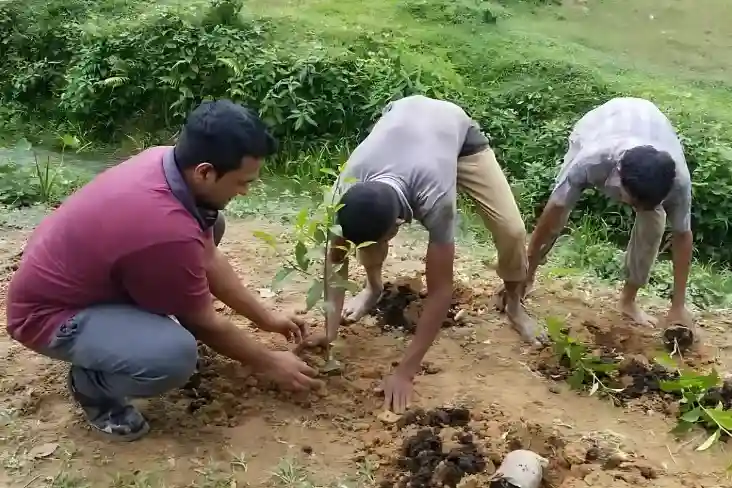
While the prepared land undergoes rehabilitation, a nursery of tea plants is nurtured one year prior to planting. Planting generally takes place during the monsoon to ensure adequate moisture for the plants in their first one to six months. The growth phase requires training for the next two to three years through regular fertilization and selective trimming to develop the frame of a mature tea bush. Tea plants are selected from various clones to suit local requirements—such as yield, agro-climatic conditions, type of land, and the desired quality of the tea product.
একটি নতুন চা সেকশন গড়ে তুলতে বহু বছর সময় লাগে
রোপণের এক বছর আগেই প্রস্তাবিত এলাকার মাটির পরীক্ষা করা হয়েছে। চা রোপণের আগে জমি থেকে পুরনো চা গাছ, জঙ্গল বা আগাছা পরিষ্কার করা আবশ্যক। যদি এলাকাটিতে আগে থেকেই চা বা অন্য কোনো ফসল থাকে, তবে সেখানে পুনরায় চা রোপণের জন্য জমি প্রস্তুতে বাড়তি সতর্কতা প্রয়োজন। জমিটি একজন দক্ষ সার্ভেয়ার দ্বারা জরিপ করা হয় এবং ভূমি উঁচু-নিচু হলে একটি কন্টুর ম্যাপ বা মানচিত্র তৈরি করা হয়। মানচিত্রে প্রধান ও শাখা ড্রেন এবং ঢালগুলো চিহ্নিত করা থাকে। জমি পরিষ্কার হওয়ার পর আমরা এই ধাপগুলো অনুসরণ করি: জমির সজীবতা ফিরিয়ে আনা (Rejuvenation), জমি প্রস্তুত করা, ফিল্ড ড্রেন খনন করা এবং চা চারা রোপণ। আগামী মাসগুলোতে আমরা DT-9 নিয়ে আপনাদের আপডেট দেব, যাতে আপনারা দেখতে পারেন চা কীভাবে বেড়ে উঠছে। এই নিবন্ধে আমরা ব্যাখ্যা করছি কীভাবে আমরা চা রোপণের জন্য জমি প্রস্তুত করি।
ধাপ ১ — জমির সজীবতা ফিরিয়ে আনা (Land Rejuvenation)
এলাকাটি (DT-9) পরিষ্কার করার পর, আমরা কয়েক মাস জমিটি অনাবাদি ফেলে রেখেছিলাম। এরপর আমরা এমন কিছু শিমজাতীয় উদ্ভিদ রোপণ করেছিলাম যা অন্তত দুই বছর টিকে থাকে। এই গাছগুলো মাটিতে নাইট্রোজেন এবং অন্যান্য পুষ্টি উপাদান যুক্ত করে। এতে বছরে দুবার বিশেষ ঘাসের সার দেওয়া হয় এবং নিয়মিত ছাঁটাই করা হয়, যা প্রতি ছাঁটাইতে ১০ থেকে ১৫ টন মালচ (জৈব আবরণ) প্রদান করে, যা মাটির উর্বরতা বাড়ায়। এরপর আমরা নিয়মিত কম্পোস্ট তৈরির জন্য উদ্ভিদগুলো সংগ্রহ করেছি। এই সজীবকরণ প্রক্রিয়া নিশ্চিত করে যে মাটি পরবর্তী ৬০–৮০ বছরের জন্য একটি স্বাস্থ্যকর পরিবেশ প্রদান করবে এবং নতুন চা গাছগুলোকে পুষ্ট করবে।
ধাপ ২ — জমি প্রস্তুতকরণ (Land Preparation)
বাংলাদেশে চা চাষের জন্য অত্যন্ত সুনির্দিষ্ট জমি প্রস্তুতির প্রয়োজন। ফয়েজী টি এস্টেটের অন্যান্য সেকশনের চেয়ে DT-9 এর পাহাড়ি এলাকাটি মূলত সমতল ভূমি দ্বারা পরিবেষ্টিত। আমরা প্রথমেই জমিটি হ্যারো (harrow) করেছি। লেভেলার ব্যবহার করে মাটির কোনো ক্ষতি না করে আমরা জায়গাটি সমান করেছি। এরপর মাটির ১৮ থেকে ২৪ ইঞ্চি গভীর পর্যন্ত গভীর খনন (deep forking) করা হয়েছে, যাতে সমস্ত পুরনো শিকড় ও পাথর অপসারণ করা যায়। আমরা বর্ষা মৌসুম শুরু হওয়ার আগেই এই প্রস্তুতি সম্পন্ন করেছি।
ধাপ ৩ — ফিল্ড ড্রেন খনন (Digging of Field Drains)
জমি সমতল করার পর, স্থানীয় হাইড্রোলজিস্টের সহায়তায় ড্রেনগুলোর জায়গা চিহ্নিত করা হয়েছে। প্রচুর বৃষ্টিপাত হওয়ার কারণে, জমি থেকে পানি নিষ্কাশন ব্যবস্থা সঠিকভাবে কাজ করে কিনা তা নিশ্চিত করা আমাদের জন্য অত্যন্ত জরুরি। আমরা এক্সকাভেটর এবং ট্রাক্টর-মাউন্টেড ডিগিং মেশিনের সাহায্যে ড্রেনগুলো তৈরি করেছি। চায়ের চাষাবাদের নিয়ম অনুযায়ী, আমরা প্রধান ড্রেনগুলো ৬ ফুট গভীর ও ৫ ফুট চওড়া, ফিডার ড্রেনগুলো ২ ফুট চওড়া ও ৩ ফুট গভীর এবং ছোট চ্যানেল ড্রেনগুলো ১ ফুট চওড়া ও ১ ফুট গভীর করে খনন করেছি। ড্রেন খননের পর, অতিরিক্ত মাটি ছড়িয়ে দেওয়ার জন্য ড্রেনের মধ্যবর্তী ব্লকের জমিগুলো সমান করা হয়েছে। পরিশেষে, গবাদি পশু তাড়ানোর জন্য আমরা এলাকাটিকে ছাগল-প্রতিরোধী বেড়া দিয়ে ঘিরে ফেলেছি এবং আমরা রোপণের জন্য প্রস্তুত হয়েছি।
ধাপ ৪ — চা চারা রোপণ (Plantation of Young and Mature Tea)
প্রস্তুতকৃত জমি যখন পুনর্বাসনের পর্যায়ে থাকে, তখন রোপণের এক বছর আগে থেকেই চা চারাগুলোর নার্সারি তৈরি করা হয়। সাধারণত বর্ষাকালে রোপণ করা হয়, যাতে চারা রোপণের প্রথম এক থেকে ছয় মাস গাছে পর্যাপ্ত আর্দ্রতা থাকে। চারা বড় হওয়ার পর্যায়ে দুই থেকে তিন বছর ধরে নিয়মিত সার প্রয়োগ এবং বাছাইকৃত ছাঁটাইয়ের মাধ্যমে গাছটিকে একটি পরিণত চা ঝোপে পরিণত করার প্রশিক্ষণ দেওয়া হয়। স্থানীয় আবহাওয়া, মাটির ধরন, ফলন এবং চায়ের গুণমানের চাহিদার ওপর ভিত্তি করে উপযুক্ত ক্লোন নির্বাচন করে চা চারা রোপণ করা হয়।
Back to Journal জার্নালে ফিরে যান